Step 1
Detailed History
Pain location, aggravating factors, work-related issues, past injuries, and sleep posture are discussed to identify the most likely contributors.

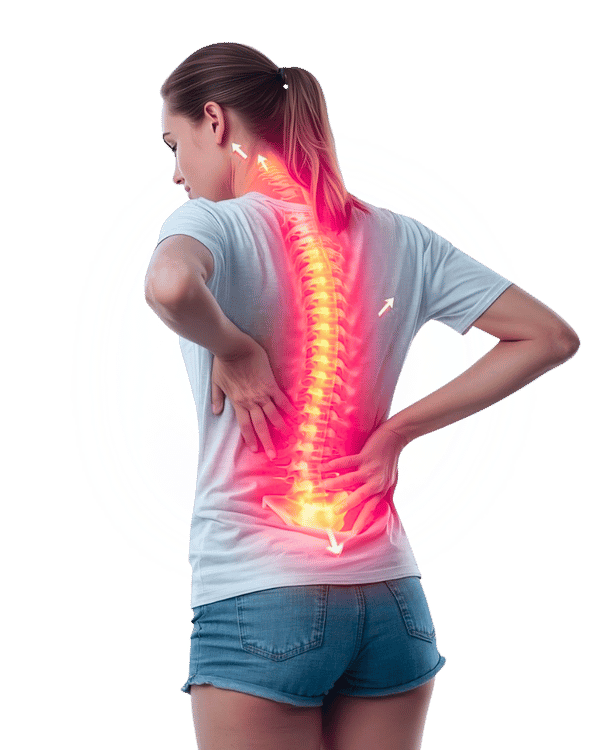
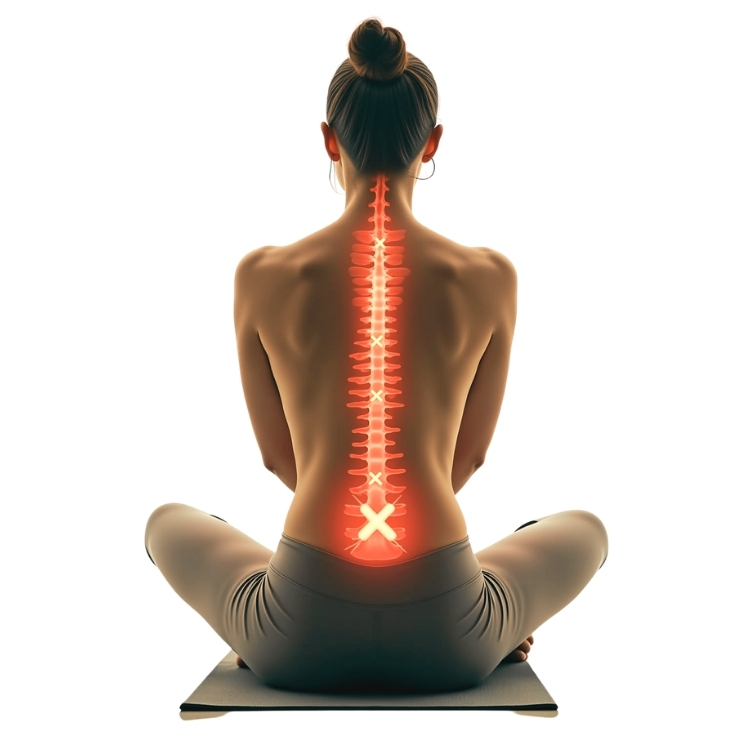
Left unaddressed, mild spinal discomfort can progress into chronic back pain, nerve compression, or structural degeneration affecting the intervertebral discs, muscles, and facet joints – limiting quality of life and everyday activities.
When the underlying cause is identified early and the right combination of posture correction, ergonomic counselling, and spinal pain treatment in Dubai is applied, the outcome is significantly better.
Sustained sitting without lumbar support places uneven load on the spinal discs, muscles, and ligaments - the most common driver of posture-related strain.
Improper lifting compresses the lumbar spine and leads to muscle strain, ligament sprain, or disc herniation even from routine tasks.
Deconditioned core muscles from a sedentary lifestyle or lack of exercise force the spine to absorb excess load, accelerating degenerative disc disease.
Poorly adjusted seating, screen height, and desk setup force the spine into non-neutral positions - a leading cause of occupational back pain and cervical strain.
Age-related degeneration reduces the intervertebral discs' cushioning ability, increasing vulnerability to osteoarthritis and myofascial pain.
Excess weight, physical inactivity, smoking, and poor sleep posture together accelerate spinal degeneration and chronic pain.
Acute pain lasting under six weeks, caused by muscle strain, ligament sprain, or overuse injury. Pain not resolving within two to three weeks warrants specialist review.
Pain beyond twelve weeks linked to degenerative disc disease (DDD), spinal stenosis, facet joint arthritis, or spondylolisthesis - requiring structured multimodal analgesia, not short-term relief.
Nerve root compression, disc herniation, or irritation of the sciatic nerve or cervical nerve roots causing pain felt in the arms, legs, or buttocks - requires accurate spinal diagnosis first.
Examination Posture, spinal mobility, muscle strength, reflexes, and sensation are assessed - identifying any nerve involvement requiring imaging.
Workplace setup, sitting habits, lifting patterns, and daily movement are reviewed to identify correctable ergonomic counselling priorities.
A personalised physiotherapy programme of core strengthening, spinal stabilisation, flexibility training, and posture correction rebuilds muscular support and reduces back pain recurrence.
Epidural steroid injections, facet joint injections, nerve block injections, sacroiliac joint treatment, or radiofrequency ablation (RFA) deliver targeted, lasting spinal pain relief.
I had assumed back pain was just part of desk life. Dr. Michael identified three specific ergonomic issues in my setup at the first consultation. The changes, alongside physiotherapy, made a remarkable difference.
I came in expecting surgery. Instead, a physiotherapy and posture correction programme was put in place. Within eight weeks, pain that had lasted two years had almost completely resolved.
The ergonomic assessment was something I had never been offered before - specific to my work situation, not generic advice. That specificity made all the difference.
After a nerve block for my chronic lower back pain, the relief was immediate. Dr. Michael followed up with a clear physiotherapy and lifestyle plan to prevent recurrence.
Three years of clinics with no real answers. At Michael Spine Surgeon the cause was identified and a realistic plan put in place. I feel more in control of my spinal health than ever.