Step 1
Detailed history taking
Usually from parents to be certain of type of scoliosis

Discovering that your child has scoliosis can feel frightening – but with the right care, most children go on to live full, active lives. At Michael Spine Surgeon, We will ensure that every child receives a personalized treatment plan built around their age, growth stage, and the severity of their curve.
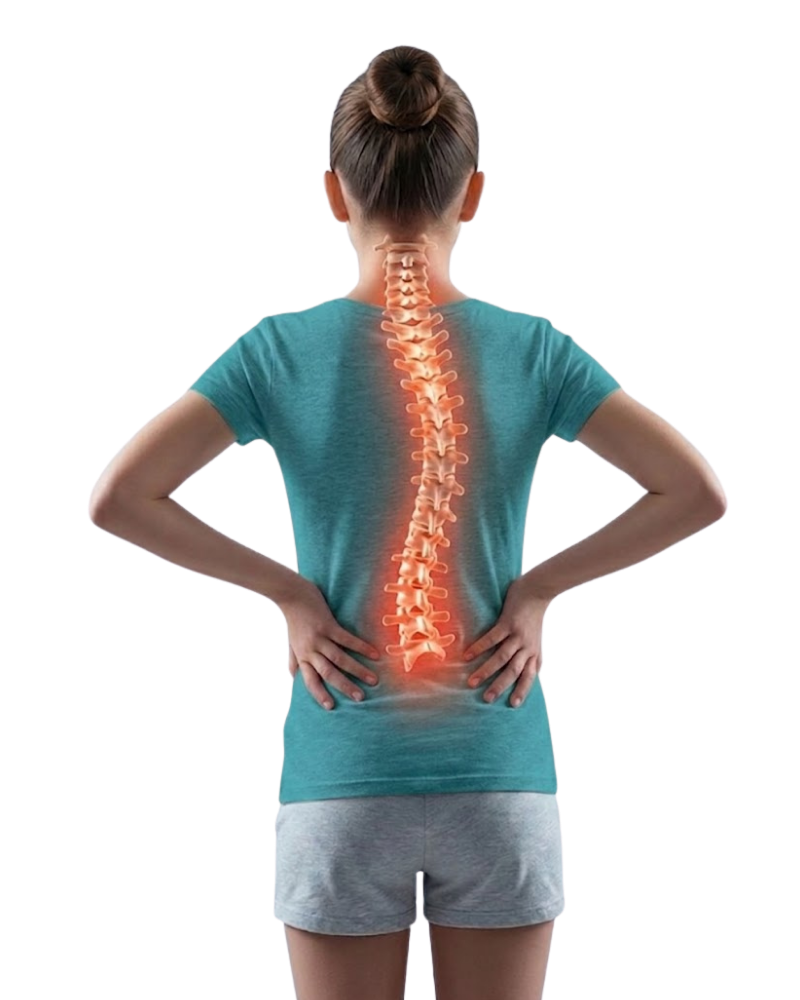
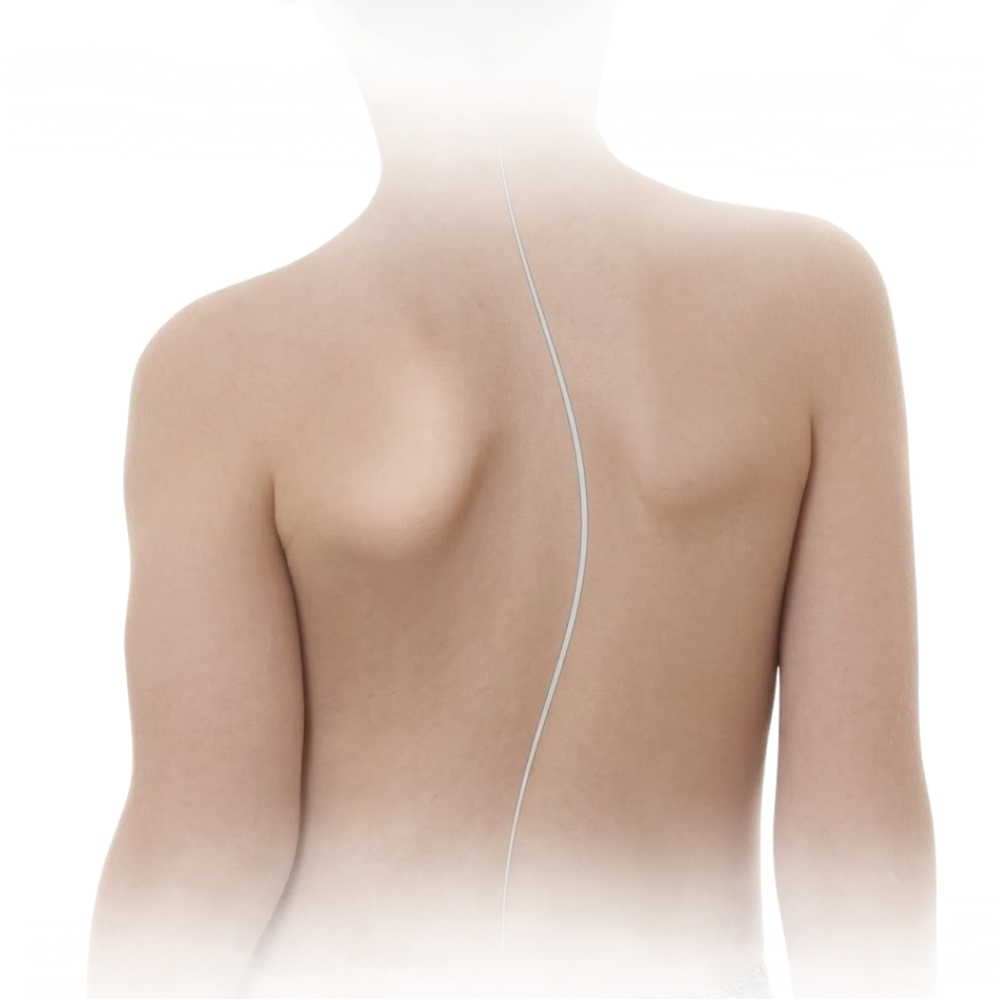
Scoliosis is an abnormal sideways curve and rotation of the spine that most commonly appears during childhood or adolescence.
Instead of growing straight, the spine curves into a “C” or “S” shape – sometimes barely noticeable at first, but capable of progressing quickly during growth spurts. It is the most common spinal condition seen in children, and in many cases it is mild and manageable.
When it is detected early, the chances of a successful outcome are significantly improved.
One shoulder is noticed to sit visibly higher than the other, even when your child is standing relaxed.
One shoulder blade appears to stick out more than the other, particularly when your child bends forward.
The hips or waistline do not appear level - one side may look raised or more prominent than the other.
The body appears off-centre when your child stands straight, as though weight is being shifted to one side.
A curve along the spine becomes noticeable, especially during the Adam’s Forward Bend Test - when the child bends forward at the waist.
Persistent discomfort, stiffness, or tiredness in the back is reported - especially after prolonged sitting or physical activity.
The most common type, with no single known cause. It is most often seen in adolescents during growth spurts and tends to run in families.
Present from birth, this type develops when the vertebrae do not form correctly during pregnancy. It is monitored closely as the child grows. May need early intervention if progressive.
Diagnosed in children under the age of 10. Because significant growth still lies ahead, careful and proactive management is required.
Usually from parents to be certain of type of scoliosis
A custom-fitted 3D spinal brace is worn daily to prevent the curve from worsening in growing children with curves between 20 and 40 degrees - designed to fit discreetly under clothing.
We came to Michael Spine Surgeon after getting a second opinion elsewhere that left us with more questions than answers. Here, everything was explained clearly, the diagnosis was thorough, and a proper plan was put in place. For the first time, we felt truly looked after.
My daughter was diagnosed with scoliosis at 11 and we were referred for bracing straight away. The brace was fitted perfectly and the team kept checking in on her throughout. Two years later, her curve has not progressed at all. We could not be more relieved.
I was nervous about bringing my 9-year-old to a specialist, but the environment at Michael Spine Surgeon was so calm and child-friendly. The monitoring plan has been reassuring - we finally feel like we are on top of the situation rather than just waiting and worrying.
Our son was recommended for scoliosis surgery after his curve progressed despite bracing. The surgical team walked us through every step, and his recovery was smoother than we ever expected. He was back at school in five weeks and on the football field by month seven.
When our daughter was first diagnosed, we were completely lost. The team at Michael Spine Surgeon explained everything so clearly and made her feel comfortable from the very first visit. After six months of physical therapy, her posture has improved noticeably - and her confidence has grown even more.
Whether a concern has just been noticed or a diagnosis has already been received, Dr Michael is ready to help. A thorough assessment and a clear, personalised plan will be provided from the very first visit.