Step 1
In-Depth Consultation
A full picture is gathered - symptom onset, previous treatments, daily limitations, and medical history. The curve pattern and how it impacts daily life are both considered.

Many adults live for years with an undiagnosed spinal deformity – mistaking their discomfort for stress, age, or poor posture. At Michael Spine Surgeon, the true cause is identified and a personalised treatment plan is built around real life by Dr. Antony Michael.
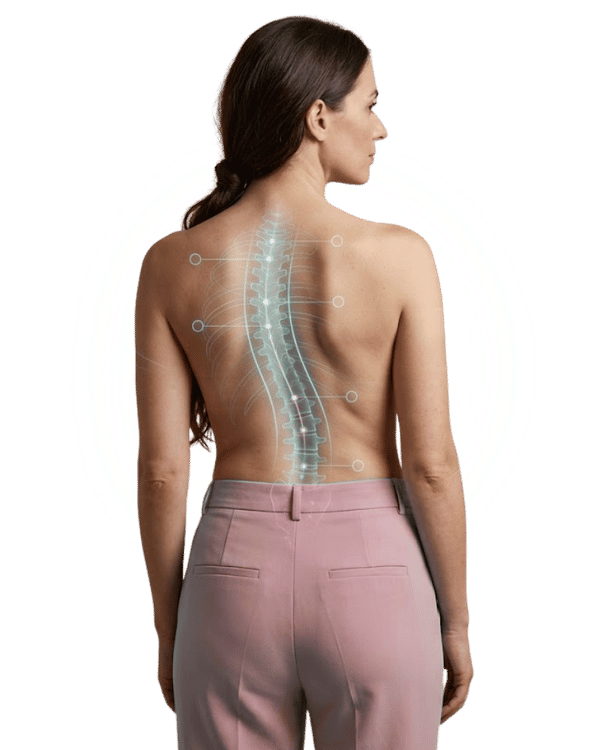
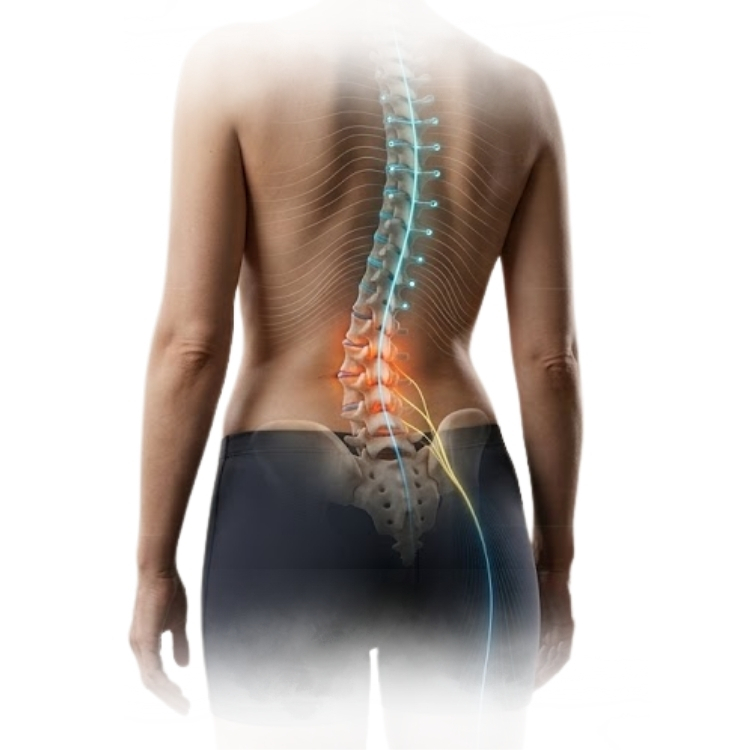
In adults, scoliosis is either carried forward from adolescence – undetected or untreated – or it develops later as spinal discs and joints gradually deteriorate. Either way, spinal alignment is lost, placing uneven pressure on the surrounding muscles, nerves, and vertebrae.
Over time, this leads to chronic back pain, restricted movement, and in more advanced cases, nerve compression that radiates into the legs.
Adult scoliosis builds slowly. These are the signs that a spinal specialist should be consulted:
Persistent mid-lower back pain that continues despite rest or physiotherapy - with no clear explanation from other causes.
The body leans to one side when standing, and maintaining spinal alignment requires deliberate effort.
A measurable loss of height observed over the years, caused by vertebral compression from the curve.
Paraesthesia or weakness in the limb travelling down one or both legs - a sign that neural elements in the spinal canal are being compressed.
Persistent tiredness or muscle weakness after routine tasks, as the body compensates for a structurally imbalanced spine.
Caused by disc deterioration, arthritis, and wear and tear of the spinal joints. Most common in the lumbar region and strongly linked to the aging spine.
A curve from adolescence left unmanaged - now showing progressive worsening in adulthood, ranging from gradual to significantly accelerating.
A structural deformity secondary to neurological diseases such as cerebral palsy or muscular dystrophy, where muscles can no longer support the spine adequately.
A spinal deformity that develops following previous back surgery, driven by changes in spinal balance across adjacent segments over time.
A full picture is gathered - symptom onset, previous treatments, daily limitations, and medical history. The curve pattern and how it impacts daily life are both considered.
A detailed physical examination is carried out - evaluating postural changes, spinal alignment, and neurological function. Signs of nerve involvement or weakness in the limbs are carefully assessed.
A full-length standing X-ray (scoliogram) measures the Cobb angle and coronal plane balance. Where disc degeneration or nerve compression is suspected, an MRI or CT scan - with 3D image acquisition where required - is arranged.
The right treatment depends on the severity of the curve, the symptoms experienced, and the impact on daily function. A multidisciplinary approach is taken before any recommendation is made.
For mild curves with controlled symptoms, structured monitoring with scheduled follow-up appointments and imaging ensures any curve progression is detected and addressed early.
A tailored rehabilitation programme - incorporating the Schroth method, core strengthening, and posture improvement - reduces pain and builds lasting spinal support.
A 3D-scanned, custom-fitted adult scoliosis brace is used to offload spinal pressure, ease nerve-related discomfort, and deliver reliable day-to-day postural support.
When non-surgical treatment is no longer sufficient, options including spinal fusion, minimally invasive surgery, and deformity correction are recommended - guided by the patient's health and goals.
For almost a decade, my lower back pain was dismissed as stress. It was only when I came to Dr. Antony Michael that scoliosis was identified as the real issue. The relief of finally having an answer - and a plan - was enormous."
I had been wearing a brace that didn't fit properly and caused more discomfort than relief. Dr. Michael had a new one custom-designed for my spine, and the difference was immediate.
The nerve pain in my left leg made walking more than a few minutes impossible. After a structured treatment programme, I am now able to walk without pain. Truly life-changing.
Surgery was not pushed as the first solution. Every option was explored first, with a clear explanation at each step. That honesty made all the difference.
The care here has been completely different from what I experienced before - thorough, personalised, and attentive to how the condition affected my life, not just my X-rays.
Living with back pain, postural changes, or unexplained leg symptoms does not have to be the norm. A clear diagnosis and a personalised treatment plan are provided from the very first appointment.
Yes. In adults, the spine has stopped growing, making back pain and neurological symptoms far more prominent. Treatment focuses on managing functional disability rather than controlling growth-related progression.
An adult scoliosis brace is designed to provide spinal support, reduce nerve pressure, and relieve discomfort - not to correct the curve. It is custom-fabricated using 3D scanning and works best alongside physiotherapy.
Surgical intervention is typically considered when the curve exceeds 45–50 degrees, when neurological symptoms such as paraesthesia are present, or when quality of life is significantly affected despite non-operative management.
Yes - particularly with degenerative scoliosis. Without monitoring, the Cobb angle can increase meaningfully over time. Regular reviews with an adult scoliosis doctor allow for early intervention before the condition becomes harder to manage.
Previous imaging - X-rays, MRI, or CT scans - and a summary of treatments already tried. If unavailable, it can be arranged through the clinic.