Step 1
Medical History
Symptom onset, aggravating factors, work-related issues, past injuries, and daily impact are discussed to build a full picture before examination begins.

Back pain – whether acute, chronic, or radiating – is one of the most common reasons adults seek medical help, yet one of the most undertreated.
At Michael Spine Surgeon, every patient is seen by Dr. Antony Michael, a trusted back pain specialist who identifies the source and builds a personalised treatment plan around it.
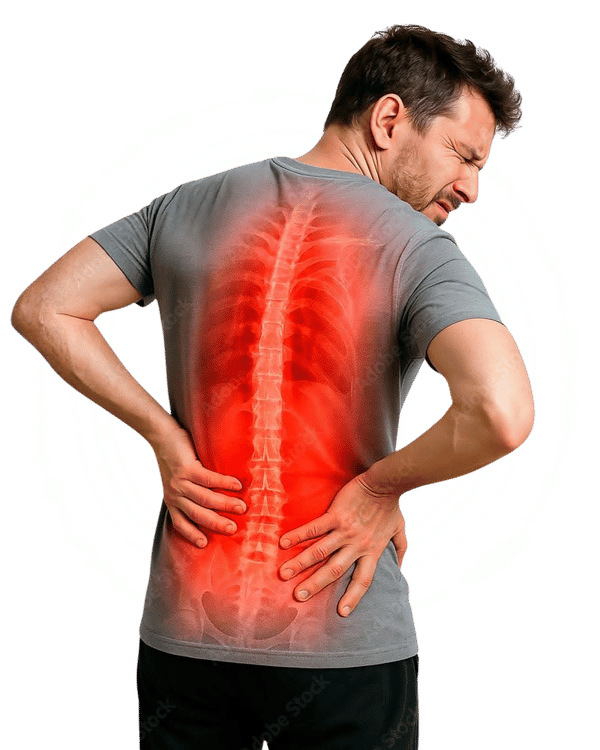
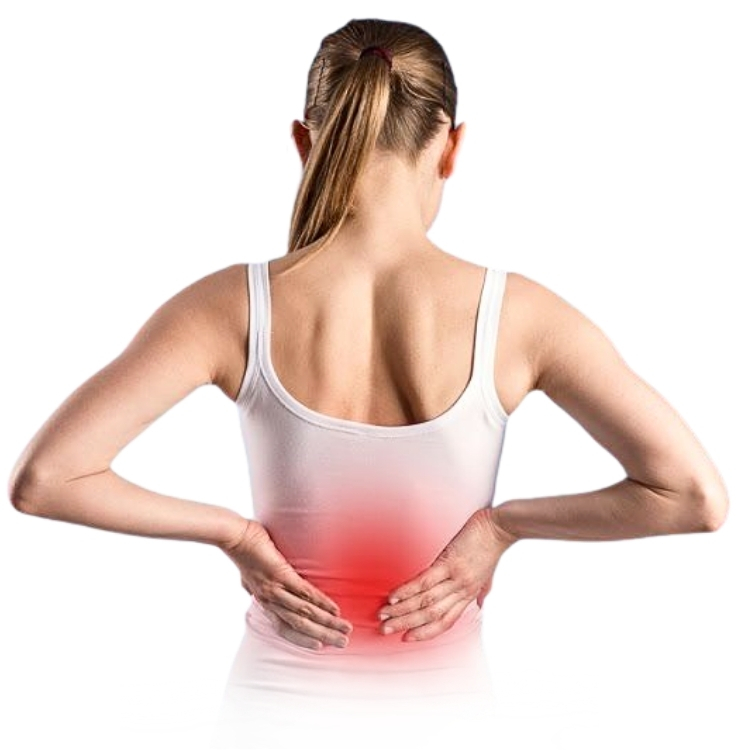
The lumbar spine (the lower five vertebrae) carries the majority of the body’s weight through every movement of the day. Between each vertebra sits an intervertebral disc acting as a shock absorber.
When these discs degenerate, herniate, or compress the surrounding nerve roots, the result ranges from a dull ache in the lumbosacral spinal region to sharp radiating pain into the lower limbs.
A constant dull aching pain in the lumbar region that does not ease with rest, worsening with prolonged sitting or standing.
A burning or sharp sensation through the buttocks and into the leg. This is the hallmark of sciatica or lumbar radiculopathy.
Tingling sensations or loss of feeling in the lower limb, indicating nerve compression at the lumbar level.
Significant stiffness on waking or after long periods of inactivity, easing with movement but returning predictably.
Difficulty walking, climbing stairs, or rising from a chair, caused by nerve root involvement affecting muscle strength.
Any change in bladder or bowel function alongside back pain is a surgical emergency and a potential sign of cauda equina syndrome requiring immediate attention.
The soft inner material of a lumbar disc ruptures through its outer casing and presses on a nearby nerve root, causing radiating leg pain, numbness, and weakness often worsened by coughing or sneezing.
With age-related degeneration, lumbar discs lose height and hydration, leading to wear and tear, bone spur formation, and chronic lower back pain that worsens with activity and prolonged sitting.
A standing X-ray checks disc space height, spinal alignment, bone spur formation, fractures, and degenerative changes.
Lumbar epidural steroid injections, facet joint injections, nerve blocks, or radiofrequency ablation (RFA) are used to reduce inflammation and deliver focused, lasting pain relief when physiotherapy alone is insufficient.
Four years of lower back pain, and I had convinced myself it was just something to live with. Dr. Michael found a herniated disc on the first scan and had a plan ready the same day. Three months later, the pain is completely gone.
The shooting pain down my right leg had become unbearable. After a lumbar injection at Michael Spine Surgeon, the relief was almost immediate. I avoided surgery entirely and was back at work within two weeks.
Another clinic told me surgery was my only option. Dr. Michael disagreed, and he was right. A structured physiotherapy programme resolved the problem completely. I'm incredibly glad I sought a second opinion.
The aftercare following my lumbar surgery was exceptional. Recovery timelines were set clearly from the start, and every follow-up felt genuinely thorough. I felt looked after well beyond the procedure itself.
I came in with sciatica so severe I couldn't sit through a meal. After two sessions of targeted treatment, the nerve pain began to ease. Within six weeks I was back to normal, something I didn't think was possible.