Step 1
Emergency Assessment
The mechanism of injury, consciousness level, and a rapid neurological examination are evaluated to identify deficits in motor function, sensation, and reflexes.

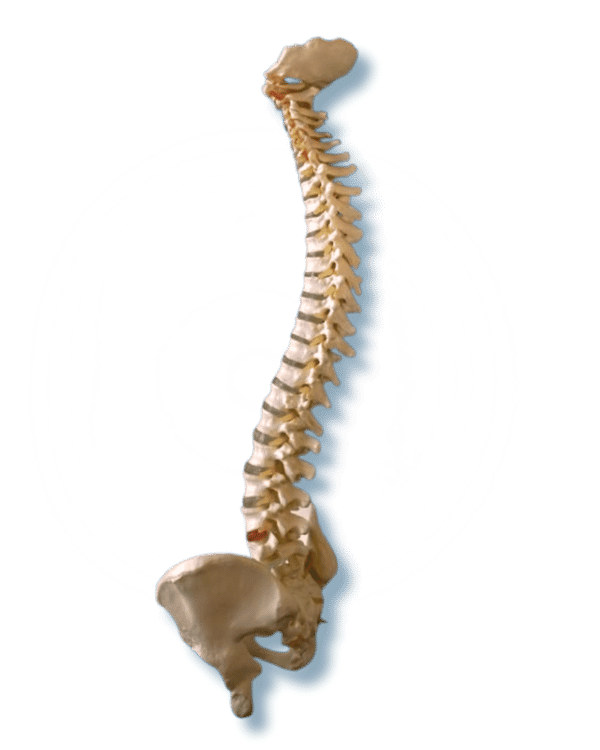
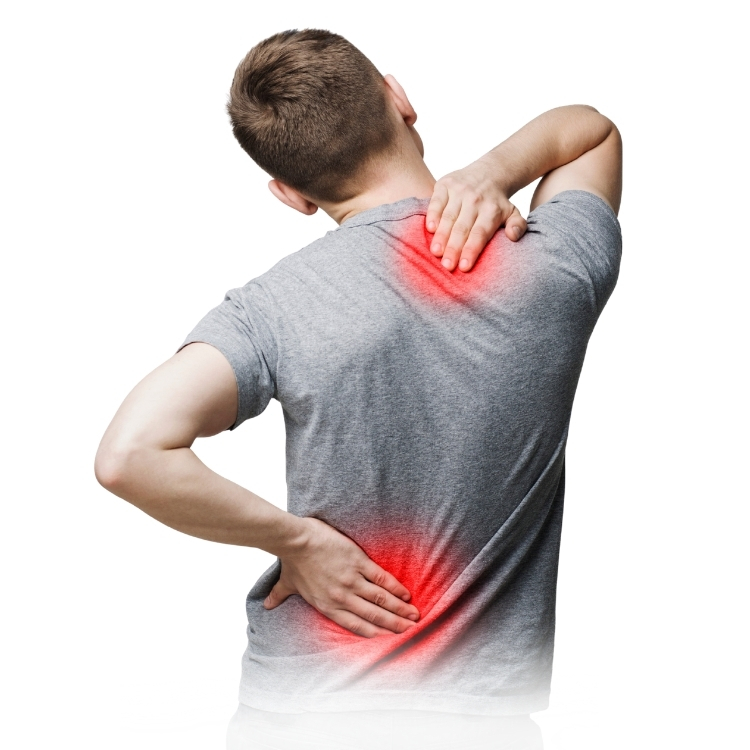
Spinal trauma is any damage or injury to the vertebrae, discs, ligaments, or spinal cord caused by sudden external force. Unlike degenerative conditions, traumatic spinal injuries occur without warning and can range from hairline fractures to complete disruption of the cord.
When this structure is compromised, motor function, sensation and bodily functions can all be affected.
Pain at the Site of Injury Intense, localised pain at the site of injury in the neck or back immediately following trauma, particularly if it worsens with movement.
Sudden motor function loss in the upper or lower limbs, indicating possible spinal cord involvement requiring urgent evaluation.
Numbness, Tingling, or Burning Sensations Sensory loss or abnormal sensations spreading into the arms, hands, legs, or feet, a sign that nerve roots are under pressure.
New weakness or paralysis in the limbs or difficulty gripping, suggesting disruption to motor pathways within the spinal canal.
Sudden loss of bladder or bowel control is a neurological deficit emergency requiring immediate assessment.
A noticeable tilt or rigidity of the neck may indicate an unstable cervical vertebrae fracture or spinal dislocation requiring urgent stabilisation.
Caused by compression, flexion, or direct impact forces fracturing one or more vertebrae. Severity ranges from stable compression fractures to burst fractures threatening the spinal canal.
Trauma that directly damages the spinal cord, resulting in partial or complete loss of motor function, sensation, and autonomic control below the injury level. Urgent trauma spine surgery aims to decompress and stabilise the cord.
Severe trauma tears the ligaments holding vertebrae in alignment, making the spine unstable without visible fracture on X-ray. Surgical stabilisation prevents secondary spinal cord damage.
CT scanning with 3D image acquisition assesses fracture patterns, vertebral alignment, and spinal canal integrity. X-rays provide a rapid view of bone fractures and spinal instability.
When a spinal tumour or metastatic disease contributes to the trauma presentation, targeted radiation therapy is used to control tumour growth and reduce spinal cord compression, delivered with precision imaging to protect surrounding neural structures.
For patients where underlying spinal tumours or metastatic spine disease are identified, Dr. Antony Michael collaborates with specialist oncologists to develop a tailored chemotherapy plan that works alongside the surgical and spinal care pathway.
Pain management is an integral part of every trauma recovery plan. A combination of medication, nerve blocks, facet joint injections, and spine physiotherapy is used to manage acute and post-surgical pain effectively and progressively.
I was involved in a serious road accident and terrified about my future. Dr. Michael assessed everything thoroughly and explained every option clearly. The surgery went better than I hoped, and I am back on my feet.
After a fall from height at work, I had significant numbness in both legs. The team acted quickly and the outcome was far better than I had been told elsewhere. I cannot be more grateful.
Everything was explained calmly during an extremely frightening time. Dr. Michael walked us through the surgery, risks, and recovery step by step. That transparency made all the difference.
The rehabilitation after my spinal surgery was just as impressive as the surgery itself. The physiotherapy team followed Dr. Michael's plan precisely and my recovery has exceeded every expectation.